
The Family Data Trust: Who Owns Memories After Death?
Who “owns” a loved one’s digital life after death? A practical guide to stewardship, access tiers, and privacy-first shared remembrance.
1) Ownership vs. stewardship: why “my photos” becomes a family question

In the digital-legacy era, the question “Who owns memories after death?” rarely has a single answer. A photo may be stored in a cloud account governed by a platform’s terms; the device may belong to an estate; the people depicted may have their own rights; and the story attached to the image often belongs, emotionally, to an entire family. That’s where ethics and relationships collide with paperwork.
Legally, many jurisdictions treat accounts, copyrights, and personal papers differently—and access can hinge on whether someone is an authorized representative. But families don’t experience memories as “assets.” They experience them as identity, belonging, and grief work. The same WhatsApp export that helps a grandchild understand a migration story can also reveal private medical details or conflicts that the deceased never intended to share.
A useful reframing is: after death, families don’t need “ownership” as much as stewardship—a duty to preserve, interpret, and share responsibly. This mindset sets up better privacy decisions and clearer family-governance than a blunt “who gets the password” approach.
2) The “Family Data Trust” model: access tiers, consent, and continuity
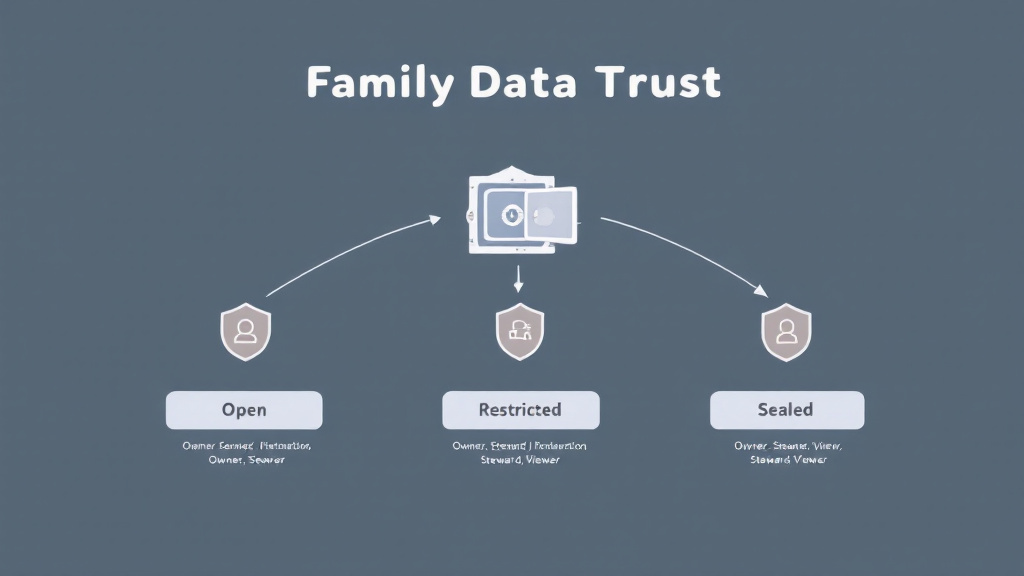
A practical way to reduce conflict is to treat personal media like a Family Data Trust: a governed collection where a designated steward manages access on behalf of beneficiaries. This aligns with estate-planning realities (someone must be empowered to act) while honoring ethics (not everything should be shared with everyone).
Families typically succeed with three access tiers: (1) Public-to-family items (portraits, travel photos, milestone stories), (2) Restricted items (financial, medical, relationship-sensitive, or third-party content), and (3) Sealed/vaulted items that remain private until a date, event, or unanimous consent. Pair tiers with roles—Owner (during life), Steward/Executor (after death), and Viewers (heirs and invited relatives). The key is item-level permissioning, not a single “shared drive” link.
Consent should be documented while the person is alive: who can see what, when, and why. Continuity matters too—if the steward is unavailable, rules should specify a successor so the archive doesn’t become inaccessible or, worse, accidentally exposed.
3) Designing for remembrance without accidental disclosure (and why provenance matters)
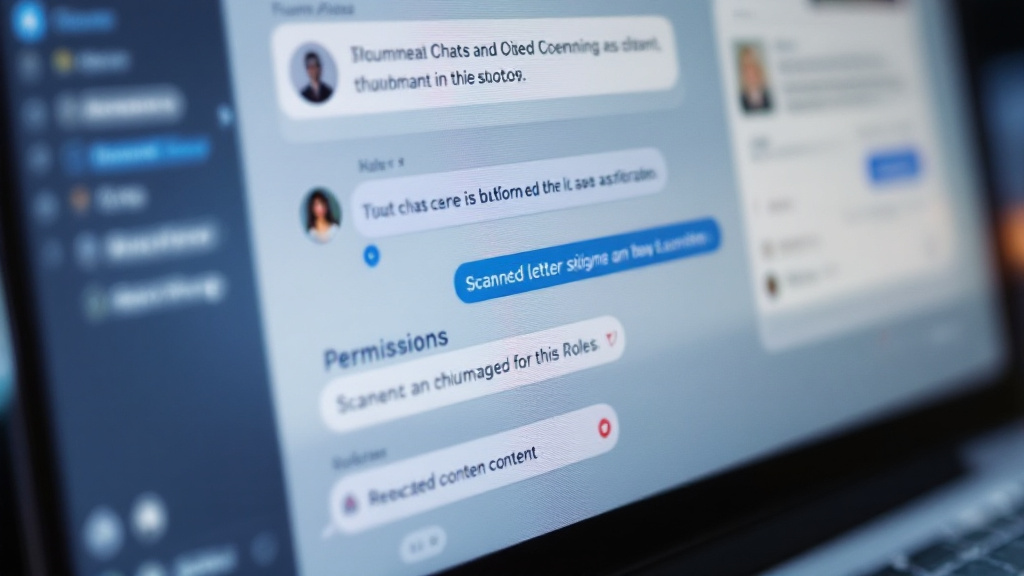
Even with good intentions, families stumble when context is missing: a screenshot without a date, a photo without location data, a scanned letter without who wrote it. That’s why provenance—being able to trace “how we know this”—is essential. In a privacy-first archive, answers should be grounded in source artifacts, not guesses, so relatives can trust what they’re reading and verify it without over-sharing.
This is where modern retrieval tools help. A system like Legacy Memory Vault can ingest multimodal materials (photos, chats, voice notes, PDFs), de-duplicate them, and enable chat-based discovery while keeping every claim citation-linked to the underlying evidence. If someone asks, “When did you move to Chicago and who helped?” the response should point to the photo metadata, a chat excerpt, and a letter scan—while enforcing privacy through item-level vaulting and redaction for different relatives.
To implement a Family Data Trust, start small: inventory sources, define tiers, name stewards and successors, and write simple sharing rules. Done well, family-governance preserves stories across generations without turning remembrance into a data leak.